
Tile Expansion Joints Columbia TN Guide
Why Tile Needs Movement Gaps in Middle Tennessee
Tile may look rigid, but every floor assembly moves. Porcelain tile, ceramic tile, mortar, backer board, plywood, and concrete slabs all respond to temperature, humidity, framing movement, and normal house settling. In Columbia TN and Maury County, that movement matters because warm humid seasons can be followed by dry indoor heating cycles.
A smart tile layout plans for movement before the first bag of mortar is mixed. Contractors and DIYers should think beyond color and pattern and include perimeter gaps, soft joints, substrate prep, and room transitions in the material list.
Where Expansion Joints Matter Most
Movement joints are not just for commercial floors. Residential kitchens, bathrooms, laundry rooms, sunrooms, basements, and slab-on-grade remodels around Columbia TN can all benefit from planned gaps and flexible transitions. Large rooms and long tile runs are the first places to review.
Use this quick checklist before setting tile:
- Leave a perimeter gap at walls, cabinets, tubs, and fixed posts
- Use flexible sealant instead of hard grout at change-of-plane joints
- Plan soft joints in long runs, sunny rooms, and large-format layouts
- Honor existing control joints in concrete slabs
- Keep transitions clean where tile meets hardwood, LVP, carpet, or thresholds
Grout vs. Caulk at Transitions
A common callback happens when hard grout is forced into places that need flexibility. Inside corners, tub lines, shower curbs, door thresholds, and floor-to-wall changes are better handled with a color-matched flexible sealant designed for tile work.
For Maury County remodels, this small decision can prevent cracked grout lines and loose edge tiles. Sanded caulk, silicone sealant, trim profiles, and matching grout should be selected together so the finished floor looks intentional instead of patched later.
Subfloor and Underlayment Checks
Expansion gaps cannot fix a weak base. Before installation, confirm that the subfloor is flat, fastened, clean, and appropriate for tile. Wood subfloors may need cement backer board or an uncoupling membrane. Concrete slabs should be checked for cracks, moisture issues, contaminants, and existing joints.
Builders in Columbia TN should also match mortar and underlayment to the tile size. Large-format tile needs flatter surfaces and better trowel coverage than small tile. If the floor is not ready, movement stress usually shows up as cracked grout, hollow spots, or edge lippage.
Buying Materials Without Missing Details
A good tile order includes more than tile and grout. Before starting a Columbia TN or Maury County project, build a complete shopping list around the installation details.
Consider adding:
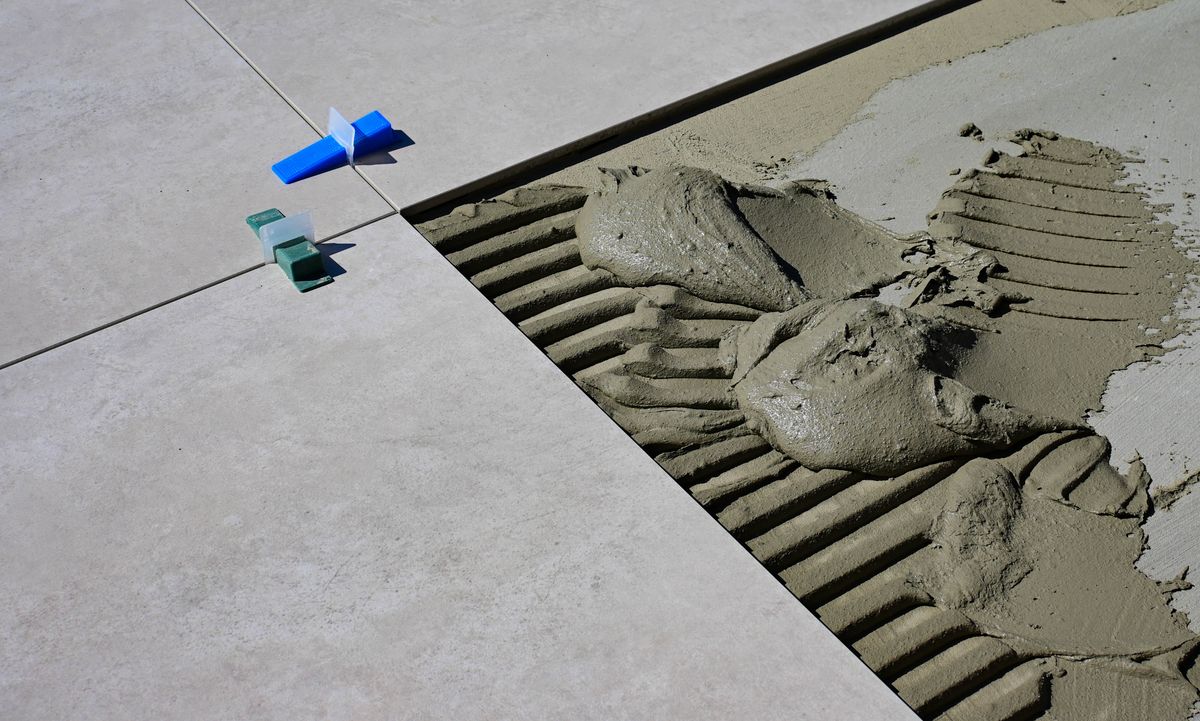
- Tile spacers and leveling clips for consistent joints
- Backer board, screws, alkali-resistant mesh tape, or membrane
- Modified thinset suited to the tile and substrate
- Color-matched caulk or sealant for movement joints
- Edge trim, reducers, thresholds, and transition strips
- Extra tile for cuts, attic stock, and future repairs
Local Help for a Better Tile Job
Music City Building Supply helps contractors, builders, and DIY remodelers source practical building materials for Middle Tennessee projects. If you are planning tile flooring in Columbia TN, bring your room dimensions, substrate notes, and transition details before you buy.
Stop by or call Music City Building Supply to check current tile, trim, underlayment, and related material availability for your next Maury County project. A few movement-gap decisions up front can save a lot of cracked grout and callbacks later.
Cover photo by Vladimir Srajber on Pexels
Need materials for your next project?
We'll source it and get you a fast, no-obligation quote.