
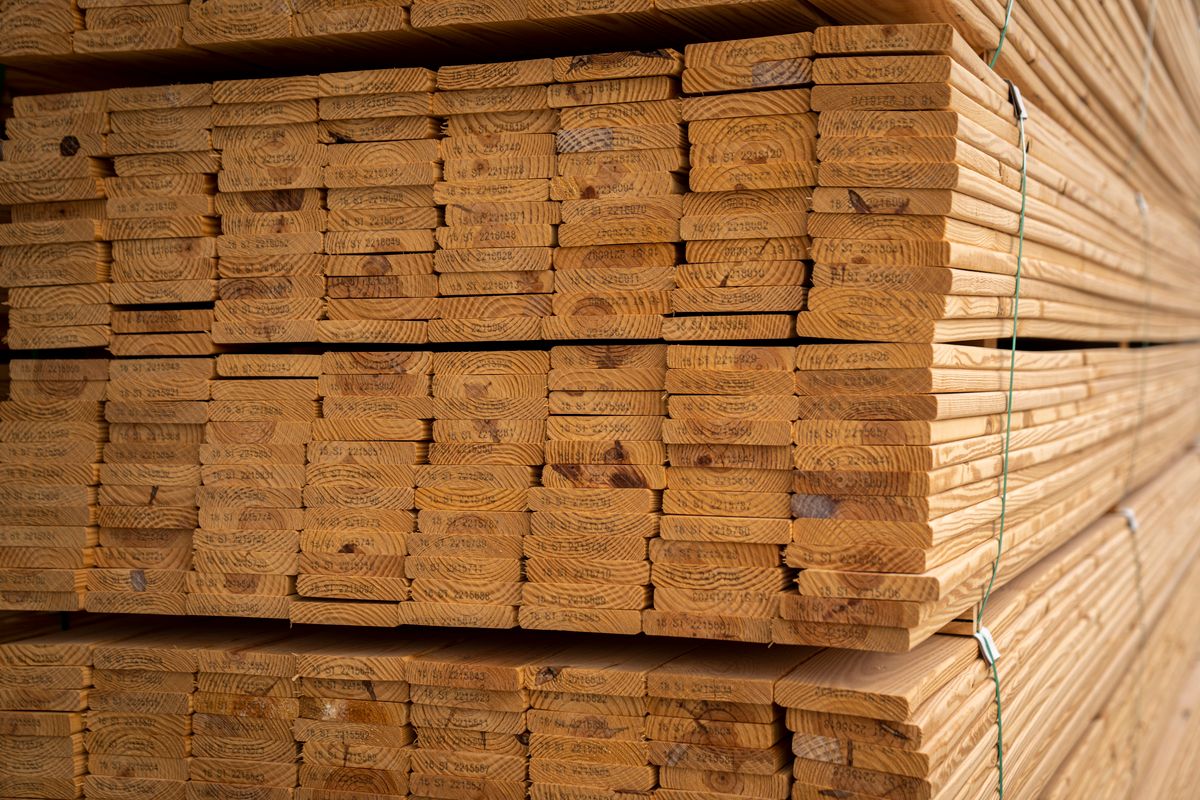
Southern Yellow Pine Lumber Columbia TN Grade Guide
Why Southern Yellow Pine Grades Matter Locally
Southern Yellow Pine lumber is one of the workhorse materials for framing, decks, repairs, and outdoor projects across Columbia TN and Maury County. The right board is not just about size; it is about the grade stamp, moisture condition, treatment category, and how the piece will actually be used on the job.For Middle Tennessee builders, humidity, jobsite storage, and fast-moving weather can turn a cheap lumber buy into warped boards, waste, or callbacks. A practical grade check before loading helps contractors and DIYers protect both budget and schedule.
Read the Grade Stamp Before You Load
Every structural board should tell you useful information. Look for the species group, mill identification, grade, moisture designation, and treatment information where applicable. On Southern Yellow Pine, common grades and use cases can vary by supplier, so do not assume every 2x4 or 2x6 in a stack is the same.
Use this quick checklist at the rack:
- Confirm the board is Southern Yellow Pine or the specified species group.
- Match the grade to the job: framing, blocking, decking, posts, or appearance work.
- Check whether it is KD, S-Dry, or pressure-treated.
- Reject excessive crown, twist, splits, large edge knots, or damaged ends.
- Keep treated lumber separated by intended use: above-ground vs. ground-contact.
Match Lumber Grade to the Project
For wall framing and general construction in Columbia TN, straightness and consistency matter as much as the printed grade. A board with a technically acceptable stamp can still slow down a crew if it is badly crowned, wet, or hard to fasten cleanly.
For decks, fences, stairs, and exterior blocking in Maury County, treatment level becomes more important. Ground-contact pressure-treated lumber belongs where posts, sleepers, or framing members may stay damp, sit near soil, or have limited airflow. Above-ground treated boards can work well for better-drained assemblies, but they should not be substituted where the exposure is harsher.
Moisture and Storage Are Part of the Buy
Middle Tennessee weather can be rough on lumber after purchase. Even quality boards can twist if they are left unbanded in sun, mud, or repeated rain. Contractors picking up material in the Nashville area should plan how the lumber will be stacked before it arrives on site.
Good jobsite habits include:
- Store lumber on dunnage, not directly on soil or concrete.
- Keep stacks flat, supported, and strapped when possible.
- Cover the top while leaving airflow around the sides.
- Use the straightest boards first for walls, rims, ledgers, and visible work.
- Buy a small waste factor for cutoffs and rejected boards.
Buying Smarter from a Local Supplier
A local yard can help you compare value across grades, treatment types, and available surplus inventory. Music City Building Supply works with builders, remodelers, and homeowners who need practical lumber options without paying retail-store pricing when better buys are available.
Before you commit to a Columbia TN or Maury County project, bring your list, span needs, exposure conditions, and preferred dimensions. Ask what is available, inspect the stacks, and choose boards by the job they need to perform.
Final Jobsite Checklist
Before checkout, confirm the material matches your build plan, not just the shopping list. A few minutes of sorting can prevent bowed walls, uneven deck framing, or extra returns.
For your next lumber package in Columbia TN, call or stop by Music City Building Supply to compare current Southern Yellow Pine options, pressure-treated lumber, and surplus building materials for Middle Tennessee jobs.
Cover photo by Mark Stebnicki on Pexels
Sources
Need materials for your next project?
We'll source it and get you a fast, no-obligation quote.