
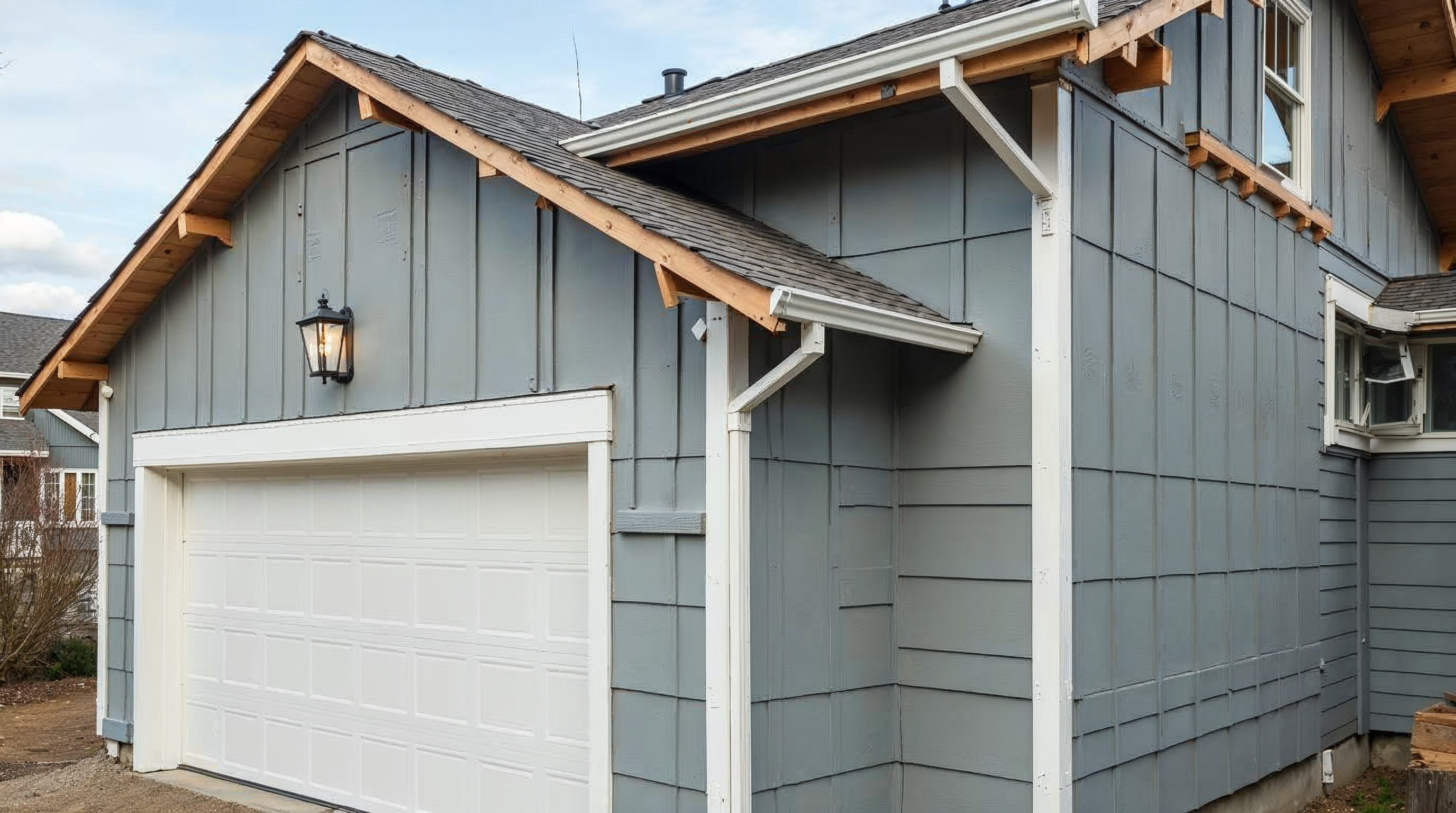
Fiber Cement Siding Waste Columbia TN Guide
Why Waste Planning Matters on Fiber Cement Jobs
Fiber cement siding is staying popular because it gives contractors a durable exterior option with strong resistance to moisture, pests, fire, and weather exposure. Perplexity research found the U.S. fiber cement market was estimated around $2.45 billion in 2025, with continued growth projected into the next decade as builders look for resilient cladding options. For Columbia TN and Maury County crews, that demand shows up in remodels, additions, and exterior repairs where owners want a wood-like look without wood-level maintenance.Waste planning matters because fiber cement is not a product you want to guess on at the last minute. Every bad cut, broken corner, or short order can slow a siding crew down. Around Middle Tennessee, where humidity, heavy spring rain, and storm exposure are part of the jobsite reality, clean takeoffs and dry storage help protect both the material and the schedule.
- Plan cuts before the crew unloads
- Separate full boards from cut pieces
- Protect edges and factory finishes
- Match trim, starter strips, flashing, and fasteners early
Start With a Better Takeoff
A practical siding takeoff starts with wall square footage, openings, gables, waste factor, trim runs, and accessory material. For lap siding, do not stop at total wall area. Count corners, window returns, doors, porch transitions, gable triangles, and short wall sections because those details create the cut waste that surprises contractors in Columbia TN remodels.
On fiber cement jobs, crews should also think through board exposure, reveal consistency, and where butt joints will land. Research on current siding trends points toward more attention on prefinished products, standardized layouts, integrated flashing, and ventilated assemblies. That means the takeoff should include more than planks: it should include weather-resistive barrier, flashing, trim boards, starter details, and any rainscreen or drainage components the assembly requires.
A simple field checklist helps reduce mistakes:
- Measure each wall separately, not just total perimeter
- Mark gables and irregular wall sections
- Count windows, doors, outside corners, and inside corners
- Confirm lap exposure before ordering
- Order compatible trim, flashing, and fasteners with the siding
Control Breakage, Moisture, and Jobsite Loss
Fiber cement performs best when it is handled like a finished building material, not a loose commodity. Keep boards flat, dry, and supported. Avoid dragging finished faces across each other. If material arrives before the wall is ready, keep it off mud and standing water, cover it, and leave airflow so trapped moisture does not become its own problem.
That is especially important in Maury County and the Nashville area because local siding jobs often deal with humidity, rain, wind, and quick weather changes. Perplexity's local research highlighted Middle Tennessee humidity and storms as reasons homeowners and contractors choose more durable siding materials. Good storage, careful cutting, and protected edges turn that climate reality into a planning item instead of a callback.
For cleaner installation, set up a cut station and sort offcuts by length. Short pieces can often be used near windows, corners, garage returns, and porch walls. But do not force tiny leftovers into visible runs if they create weak layout lines or too many joints. The goal is less waste, not a patched-together exterior.
Match Waste Planning to Moisture Details
The same planning that reduces waste also supports better moisture management. Local research pointed to the importance of a weather-resistant exterior wall envelope, flashing, housewrap, and drainage to limit water and wind penetration. On a fiber cement job, those details belong in the material plan from day one.
Do not treat flashing and wrap as afterthoughts. If a crew has siding but is short on flashing, tape, starter strips, or trim, the job can stall or get rushed. That is where waste turns into risk: a hurried cut, missing drainage path, or improvised trim transition can cost more than the material saved.
For Columbia TN builders, a smart siding package usually includes:
- Fiber cement lap siding or panels
- Trim boards and corner boards
- Starter strips and layout accessories
- Code-aware flashing and WRB materials
- Corrosion-resistant fasteners selected for the assembly
Buy Smarter in Columbia TN
Music City Building Supply can help contractors, builders, and serious DIYers think through the full siding package before the crew is standing around waiting. Because MCBS deals in surplus and value-driven building materials, availability can change quickly, so it pays to confirm quantities, profiles, colors, and accessories before scheduling labor.
If you are planning a fiber cement siding project in Columbia TN, Maury County, or the Nashville area, bring your wall measurements, opening counts, trim needs, and timeline. We can help you compare what is available, spot gaps in the order, and build a practical material list that reduces waste without underbuying. Call or visit Music City Building Supply before your next siding job and let us help you buy the right material the first time.
Sources
Need materials for your next project?
We'll source it and get you a fast, no-obligation quote.