
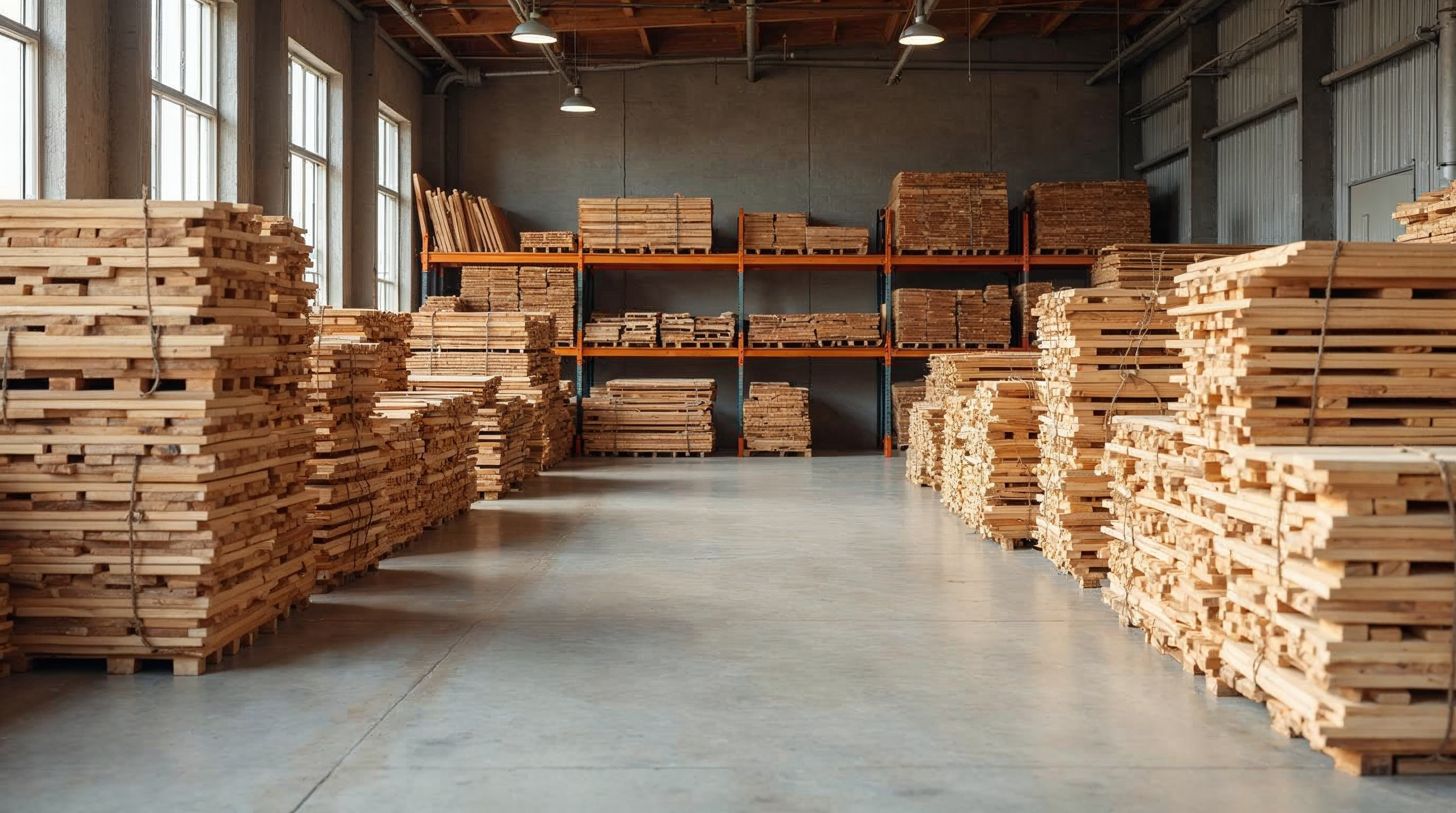
Blocking Lumber Guide for Columbia TN Framing
Why blocking lumber matters in local framing
Blocking lumber is the short framing material used between joists, studs, rafters, or trusses to stiffen an assembly, support edges, and give installers something solid to fasten into. On Columbia TN jobs, it is easy to treat blocking as scrap work, but that is where callbacks start: bouncy deck edges, unsupported sheathing seams, weak handrail backing, and interior walls that do not carry cabinets or trim cleanly.The 2026 lumber market makes planning more important. Perplexity research from national lumber sources showed framing lumber prices remain volatile, with NAHB tracking week-to-week movement and Gordian reporting a Q2 2026 increase in framing lumber costs. For contractors in Maury County, that means a clean takeoff should include blocking, backing, and bracing before the truck is loaded, not after the crew is already short on site.
Where to add blocking on framing takeoffs
Start with the places where plans and field reality rarely match perfectly. Deck framing, stair landings, bathroom walls, kitchen cabinet runs, porch ceilings, and roof overhang transitions all create small lumber needs that can burn time if they are missed. A builder may have the correct joists and studs on the order, but still lose half a day chasing short pieces, treated cutoffs, or straight 2x material for nailers.
For Columbia TN and Maury County framing packages, review the takeoff for:
- Deck perimeter blocking where railing posts, picture-frame boards, or edge fastening need support
- Wall backing for cabinets, vanities, handrails, grab bars, barn doors, and trim details
- Joist blocking at long spans, transition points, and areas with concentrated loads
- Roof and soffit nailers around overhangs, returns, vents, and fascia transitions
- Sheathing edge support where panels need solid bearing or inspection-ready fastening
This is also where local permitting context matters. Maury County directs builders to the Building & Zoning Office for residential permits, and Columbia lists adopted building-code information through its Building Codes and Construction department. That does not mean every blocking detail is listed on a material quote, but it does mean the finished assembly needs to be buildable, inspectable, and consistent with the approved plan.
Choosing the right lumber for blocking
Match the blocking material to the assembly. Interior backing usually calls for dry, straight dimensional lumber that will hold fasteners without twisting the wall. Decks, porch framing, and exposed exterior details often call for pressure-treated lumber, especially where moisture can sit against framing. In humid Middle Tennessee, using the wrong offcut in the wrong location can turn a small savings into a rot or fastener problem later.
For most practical jobs, the buying checklist is simple:
- Use treated lumber for exterior deck and porch blocking where exposure or trapped moisture is likely
- Use straight, dry 2x stock for interior backing so drywall and trim stay flat
- Keep blocking depth consistent with the joist or stud bay so the piece fastens cleanly
- Avoid badly crowned, split, or wane-heavy pieces where fastener strength matters
- Separate treated and untreated cutoffs on site so crews do not mix them by habit
This is one reason Music City Building Supply talks through the use case before loading material. A Columbia TN contractor buying a few extra boards for blocking may need different material than a homeowner patching basement backing or a remodeler adding cabinet support in a kitchen wall. The product may look small on the ticket, but the application matters.
Market timing and waste control
The current lumber market rewards tighter ordering. Perplexity’s market search surfaced national concerns around price volatility, supply constraints, and grade availability, including industry tracking from NAHB, Gordian, and Fastmarkets. The practical takeaway for Maury County builders is not to overbuy blindly; it is to build a smarter waste factor that includes the small pieces the crew will actually need.
A good rule is to separate planned blocking from generic waste. Planned blocking is measured from known details: rail posts, cabinet runs, wall backing, joist bays, and sheathing edges. Waste is the allowance for cuts, defects, layout changes, and damaged pieces. If those two buckets are mixed together, the job can look covered on paper while still running short in the field.
For Columbia TN deck and framing jobs, ask three questions before ordering:
- Which blocking pieces must be pressure-treated?
- Which backing pieces need straight, dry lumber for finish quality?
- Which details should be cut from offcuts, and which need full-length boards staged up front?
Buying blocking lumber in Columbia TN
Before your next framing, deck, or remodel project, walk the plan once for structural lumber and once for the small support pieces. That second pass is where you catch the missing nailers, backing, bracing, and blocking that keep a job moving. It also helps crews avoid using premium boards for rough cuts or using questionable scraps where strength and flatness matter.
If you are building in Columbia TN, Maury County, or the Nashville area, bring your takeoff to Music City Building Supply and talk through the blocking details before you load. We can help you sort treated versus untreated needs, plan smarter add-on quantities, and find practical surplus material when it fits the job. Call or stop by before your next lumber run so your crew has the right boards on site the first time.
Sources
Need materials for your next project?
We'll source it and get you a fast, no-obligation quote.